[?] Subscribe To
This Site

XML RSS
Add to Google
Add to My Yahoo!
Add to My MSN
Add to Newsgator
Subscribe with Bloglines

Home
FREE E-zine
Healthy Food
Eating Habits
Food Labels
Food Additives
Kids
Healthy Cooking
GMO Ingredients
Custom Nutrition
HE Coaching
Bookstore
e-books
Resources
Articles
Testimonials
About /Contact
Privacy Policy
HE Store

FREE
Healthy Eating Tips E-zine

Enter your E-mail Address

Enter your First Name (optional)

Then

Don't worry -- your e-mail address is totally secure.
I promise to use it only to send you Healthy Eating Tips .
 

Healthy Cooking
Nutritious and Delightfully Delicious

It's easy to prepare healthy food. Healthy cooking is a skill that anyone can learn. It doesn't take any more time or effort. With a little practice, you can cook scrumptious, mouth-watering, healthy meals.

Healthy cooking starts with healthy ingredients. Tempt your taste buds with delectable combinations of simple whole foods. Whole grains, like brown rice, wild rice, millet or quinoa are nutty, flavorful and satisfying. They are complex carbohydrates and a good source of fiber, vitamins and minerals. They are also a source of vegetable protein. Healthy cooking of grains is simple, and most can be cooked in 20 to 45 minutes.

Legumes are another name for dried beans and peas. They include foods like pinto beans, black beans, split peas and lentils. They are low fat, concentrated sources of vegetable protein. Healthy cooking of legumes is easy. Cooking time can be up to 2 hours. In a pinch, you can buy canned beans, preferably organic, already cooked that you can just warm up.

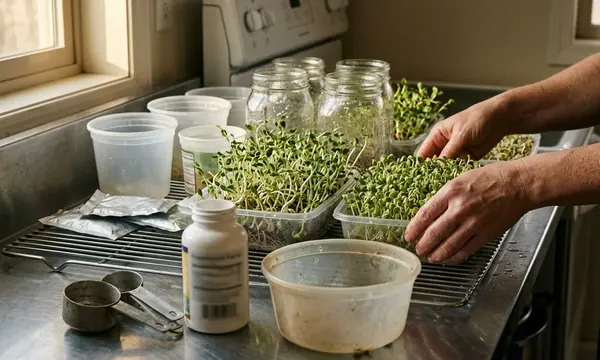
Vegetables are an essential part of good nutrition. They are an abundant source of vitamins, minerals and fiber. The starchy vegetables are also good sources of complex carbohydrates. They are low fat, low calorie and some even contribute a significant amount of protein, like lima beans, peas, corn, spinach, broccoli, kale, and sprouts.

Healthy cooking of vegetables takes a little bit of diligence, being careful not to overcook. To get the most nutrition out of cooked vegetables you should cook them only until they are crisp tender. Of course, starchy vegetables like potatoes need to be cooked until they are softer to be appetizing and good-tasting. Cooking them in their skins can preserve some of the nutrients that might otherwise be lost.

Meats should be free range and grass fed, preferably organic. Avoid cooking your meats at high temperatures. Bake in a covered glass baking dish at 350 degrees F or cook stovetop in water or stock on low heat in a covered pan. Cooking meats at high temperatures causes the formation of carcinogens. Broiled, grilled or smoked meats should be avoided or eaten infrequently.

Click on these links for some healthy cooking recipes that even die-hard junk food junkies will love:

Salads
Entrees
Snacks & Desserts

Order the "Essential Cuising - Healthy Cooking Classes" 6 DVD set from www.foodmatters.tv today


Healthy Cooking Tips

1. Choose organic foods if possible.

2. Choose whole grains rather than processed grains.

3. Saute in coconut oil or extra virgin olive oil briefly, then add a little bit of water or homemade broth.

4. Cook vegetables until crisp tender in waterless cookware or steam with a good quality multiply stainless steel steamer.

5. Do not boil your vegetables. You lose the most nutrients when you boil them.

6. Braise your meats in water or stock or bake in a covered glass baking dish at 350 degrees F.

7. Use good quality cookware, preferably multiply surgical stainless steel.

8. Do not microwave your food. Microwave cooking results in the greatest loss of nutrients of all methods of cooking and does not kill salmonella or other bacteria that might be present in the food. Microwave cooking changes the molecular structure of the food. It has been shown to convert the naturally occurring cis-fatty acids into the harmful trans-fatty acids found in hydrogenated fats. It also causes "structural, functional and immunological changes" in the blood and the cells of the body. For more information on the dangers associated with microwaves and microwave cooking, read The Proven Dangers of Microwaves and The Hidden Hazards of Microwave Cooking.

Healthy cooking and healthy eating go hand in hand. If you’re not using healthy cooking methods, the food you’re cooking is not going to be healthy. Healthy cooking with whole food ingredients is easy, whether you're preparing a simple meal for your family, or an elegant spread for a party.

Steam, sauté, simmer or bake your foods with tasty, aromatic herbs and spices. You'll be surprised how delicious and flavorful your food can be with simple healthy cooking methods and light seasoning. Some recipes may be prepared quickly and others may take a bit more time.

The fact is that you can prepare healthy food for any occasion, whether you choose to try new recipes or make substitutions to your current recipes to make them healthy. You don't have to choose between food that tastes good and food that's healthy. You can have it all--great tasting, flavorful, healthy food.

And to make it even easier for you, versatile kitchen tools like the Vita-Mix can make healthy food preparation quick, easy and delicious! You will...

  • Make whole food juice that's full of fiber and flavor in under a minute.
  • Cook soup from scratch that's hot, hearty and satisfying in just 4 minutes.
  • Make frozen treats that are full of fruit and low in fat in only 30 seconds.
  • Grind fresh whole grains into flour and knead dough for healthy home made bread in one 5-minute operation.

Healthy Cooking Books

There a lot of cook books using a lot of unhealthy ingredients. There are a few good recipe books that have an abundance of healthy recipes and use healthy ingredients. If you know what are the healthy ingredients and what are not, you can pick and choose your recipes, and even substitute healthy ingredients for the unhealthy ones in the recipes you have.

Here are some books where you're sure to find an abundance of healthy recipes:

Nourishing Traditions by Sally Fallon
This book "offers modern families a fascinating guide to wise food choices and proper preparation techniques. Sally Fallon unites the wisdom of the ancients with the latest independent and accurate scientific research in over 700 delicious recipes that will please both exacting gourmets and busy parents." It contains nutrition information and recipes, valuable to both non-vegetarians and vegetarians.

Wild Fermentation by Sandor Ellix Katz
This book explains how to use the process of natural fermentation to make delicious, health-giving fermented foods, like sauerkraut, miso, kimchi, bread, cheese, yogurt, and more.

Fresh Choices: More Than 100 Easy Recipes for Pure Food When You Can't Buy 100% Organic by Rochelle Davis and David Joachim
This indispensable cookbook helps you bring the best food possible to the table--even when organic isn't an option. Packed with more than 100 inspiring and satisfying dishes, Fresh Choices confronts the issues consumers face when they want to know where their food comes from.

Your Organic Kitchen: The Essential Guide to Selecting and Cooking Organic Foods by Jesse Ziff Cool
Nationally known chef and restaurateur Jesse Ziff Cool shows you the how's and why's of cooking with organics, from stocking your organic pantry to combining seasonal flavors and creating exciting, elegant dishes. Best of all, she offers up a treasure trove of 160 magnificent recipes that reflect her love of food and her commitment to sustainable agriculture and cuisine.

Vegetariana by Nava Atlas
This book seems to have more vegan recipes than most other vegetarian recipe books that I've seen, including some tasty ethnic ones. It's also entertaining with its interesting and historical vegetarian lore.

Foods That Heal by Bernard Jensen
This book contains a wealth of information about healthy foods, including the nutrients contained in and the therapeutic value of most of the fruits and vegetables. The last 85 pages of the book is a collection of tasty, healthy recipes.

Ayurvedic Cooking For Westerners by Amadea Morningstar
You don't have to be interested in Ayurveda to enjoy the recipes in this book. But if you are, there is some basic information about the Ayurvedic philosophy and classifying yourself into one of the constitutional types.

HEALTHY EATING: For Extremely Busy People Who Don't Have Time For It by Christine Hoza Farlow, D.C.
This valuable, quick-reference guide will teach you what foods are healthy, how to choose healthy foods, how to put together healthy meals quickly and how to develop healthy eating habits that last a lifetime. It's handy, upbeat and will help you keep eating healthfully and get you back on track when you slip. Although this book is not specifically a cookbook, it has a small section of delicious sample meals that can be prepared in 30 minutes or less.

Food Matters - Learn from the World's Leaders in Nutrition and Natural Healing

Create and Publish Your Own Cookbook - Create and Publish Your Own Cookbook - Include photos, stories and recipes in your cookbook - It's perfect for family reunions, weddings, birthday gifts, fundraising and genealogy.

Cookware


© copyright 2002-2010, HealthyEatingAdvisor.com. All rights reserved.
The Healthy Eating Advisor, P.O. Box 462335, Escondido, CA 92046-2335
Telephone (760)735-8101