[?] Subscribe To
This Site

XML RSS
Add to Google
Add to My Yahoo!
Add to My MSN
Add to Newsgator
Subscribe with Bloglines

Home
FREE E-zine
Healthy Food
Eating Habits
Food Labels
Food Additives
Kids
Healthy Cooking
GMO Ingredients
Custom Nutrition
HE Coaching
Bookstore
e-books
Resources
Articles
Testimonials
About /Contact
Privacy Policy
HE Store

FREE
Healthy Eating Tips E-zine

Enter your E-mail Address

Enter your First Name (optional)

Then

Don't worry -- your e-mail address is totally secure.
I promise to use it only to send you Healthy Eating Tips .
 

Healthy Food
Do You Know Which Foods Are Healthy To Eat And Which Are Not?

Healthy food is nutritious and delightfully delicious. Choosing foods that are healthful and nourishing is easy once you learn a few key points. But first, I want to emphasize that eating wholesome foods can be a heavenly taste-tempting adventure in sensuously delicious flavors. The myth that healthful, nutritious food doesn't taste good is just that...a myth.

When you start eating healthy food, it is helpful to think of it as an adventure in healthy eating. This way it will be much easier to develop healthy eating habits that last a lifetime, rather than just going on another diet.

Healthy food nourishes your body with essential nutrients, namely, vitamins, minerals, trace minerals, protein, carbohydrates, fats and enzymes. These nutrients are necessary for life. Without them, your body does not receive the proper fuel it needs to function optimally and you will develop health problems. It may be something minor at first, like headaches, allergies, skin problems or mild fatigue. Eventually, it will lead to major illness, like diabetes, cancer or heart disease.

How to Choose Healthy Food

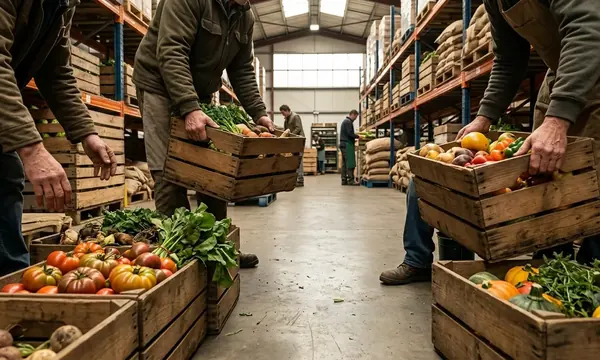
Choosing healthy food is simple if you just remember a few guidelines. First, select fresh, unprocessed whole foods. This includes fresh fruit and vegetables, whole grains and legumes, raw nuts and seeds, and fresh sprouts. Raw, unprocessed foods are live foods. They contain the greatest amount of vitamins, minerals and enzymes and provide the body with the greatest amount of nutrition. Select animal foods-eggs, poultry and meat-that are free range, grass fed and hormone and antibiotic free. Choose fish with the lowest amount of mercury contamination.

Choose organic foods over commercially produced food if possible. Organic foods are the purest and healthiest foods. They are not contaminated with pesticides. They generally have a higher nutritional content. What's more, they are not irradiated or genetically engineered.

Organic foods are often referred to as natural foods, but "natural" does not mean it is organic. There is no official definition for "natural" food, so food producers and manufacturers may call anything natural, even if there is nothing natural about it.

When you buy packaged food, it is important to always read the label. Even though the package may say "healthy," "all natural," "low fat" or any other statements implying that the product is healthy, it may still be unhealthy and contain harmful ingredients. The only way you will know for sure is if you read the list of ingredients. The Nutrition Facts on the label tells you how much protein, carbohydrate, sugars, fats and calories are in the product. It doesn't tell you anything about the chemical additives in the product that cause serious illness or adverse reactions, such as aspartame, BHA, BHT, FD&C colors, MSG, BVO, nitrites and nitrates, Olean or Olestra, and sulfites to name just a few.

What To Eat & What To Avoid

Fruit

What to Eat What to Avoid
Fresh

Dried without

  • Sulfur
  • Preservatives
  • Additives
  • Sweeteners

Frozen without

  • Preservatives
  • Additives
  • Sweeteners
Canned in
  • Heavy syrup
  • Light syrup

Dried with

  • Sulfur dioxide
  • Sweeteners
  • Preservatives
  • Additives

Frozen with

  • Preservatives
  • Sweeteners
  • Additives

Vegetables

What to Eat What to Avoid
Fresh
  • Raw
  • Lightly steamed
  • Baked

Dried without

  • Sulfur
  • Preservatives
  • Additives
  • Sweeteners

Frozen without

  • Preservatives
  • Additives
  • Sweeteners

Sprouts

  • alfalfa
  • red clover
  • radish
  • broccoli
  • mung bean
  • lentil
  • garbanzo
  • pea
Canned

Frozen with

  • Preservatives
  • Sweeteners
  • Additives

Fried

Overcooked

Grains


What to Eat What to Avoid
Whole grain products should be
  • Unprocessed
  • Nonirradiated
  • Non genetically modified
  • Sugar free
  • No chemical additives
  • No preservatives

Whole grains

  • Amaranth
  • Barley
  • Brown basmati rice
  • Brown rice
  • Buckwheat
  • Bulgur
  • Millet
  • Oats
  • Quinoa
  • Rye
  • Wheat
  • Wild rice

Whole grain & sprouted grain products

  • Bread
  • Muffins
  • Tortillas
  • Cereals
  • Pasta
  • Crackers
All grain products with
  • White flour
  • Unbleached flour
  • Enriched flour
  • Sweetenters
  • Chemical additives

Refined and processed grains

  • White rice
  • Quick oats
  • Instant oatmeal
  • Instant cereals

Refined and processed grain products

  • White bread
  • Wheat bread (if it's not
    "whole wheat")
  • Soft breads
  • Muffins
  • Crackers
  • Cookies
  • Pastries
  • Baked goods
  • Breakfast cereals

Pasta made from

  • White flour
  • Semolina flour
  • Enriched flour
  • Other processed grains

Legumes

What to Eat What to Avoid
Dry
  • Beans
  • Peas
  • Lentils
  • Chickpeas

Canned legumes prepared without

  • Animal fat
  • Chemical additives
  • Sweeteners
Canned beans prepared with
  • Animal fat
  • Sweeteners
  • Chemical additives

Pork and beans

Soybeans

Nuts and Seeds (refrigerate)


What to Eat What to Avoid
Raw nuts
  • Almonds
  • Filberts
  • Pine nuts
  • Cashews (sparingly)

Raw seeds

  • Sunflower
  • Pumpkin
  • Sesame

Raw nut butters

  • Almond
  • Sunflower
  • Cashew (sparingly)
  • Sesame
  • Tahini
Roasted
  • Nuts
  • Seeds

Dry roasted

  • Nuts
  • Seeds

Peanuts

Peanut butter

These recommendations for "what to eat" and "what to avoid" are taken, with permission, from HEALTHY EATING: For Extremely Busy People Who Don't Have Time For It. This book also contains recommendations for soups, eggs, meat and poultry, fish, fats and oils, beverages, dairy products, sweeteners, seasonings, condiments and snacks, and convenience foods.

Packaged Foods

Most packaged foods are highly processed, devoid of nutrients, contain many chemical additives, and ingredients like broth and natural flavors that are hidden sources of MSG. Many of these additives are harmful. Some may cause relatively mild symptoms like skin problems or allergies. Others may cause more serious problems, such as asthma, seizures, heart disease or cancer.

Also hidden in these chemical concoctions are ingredients that have been irradiated to allow bug-infested or moldy ingredients to be used as fresh. Many of these products also contain ingredients that have been genetically engineered or modified with DNA from a different species of plant or animal to produce a hardier plant.

Despite the processed and chemical assault on our food supply, it is possible to find some packaged foods that are free of chemical additives, irradiated and genetically modified ingredients. If the product is 100% organic, you can be sure it does not contain any irradiated or genetically modified ingredients. If not, you probably have to contact the manufacturer to find out this information. Even if it is 100% organic, you still have to read the label to find out if it contains undesirable ingredients or harmful chemical additives.

It is important to remember, though, that even packaged foods with all healthy ingredients do not have as high a nutritional value as found in fresh, raw foods. However, if you eat at least 50% fresh, raw foods, then you can enjoy small amounts or occasional healthy packaged foods along with your large fresh salad and other healthy foods or to get a quick meal on the table.

Food Matters - Learn from the World's Leaders in Nutrition and Natural Healing


Resources for Finding REALLY Healthy Food Online

There aren't many sites where I can recommend all the products listed on the site. Here are three sites with products I whole heartedly endorse.

Nutiva is an excellent resource for organic coconut and hemp products, including ...

Organic Extra Virgin Coconut Oil
Organic Hemp & Flax Bars
Organic Hemp Shake
Organic Hemp Protein Powder
Organic Hemp Cold-Pressed Hemp Oil


Grain & Salt Society

The Grain & Salt Society has long been famous for its Celtic Sea Salt, the healthiest salt on the planet. It's also a resource for other healthy foods ...

Raw foods
Healthy beverages
Flax oils
Fermented foods and beverages
Healthy snacks
Healthy condiments
Wild Salmon
And lots more...


Sunfood


Sunfood has a wide variety of ...

Organic Superfoods
Healthy Raw Chocolate
Nut Butters
Raw Nuts and Seeds
Dried Food/Fruit
Snacks and Treats
Sea Vegetables and more...

Sunfood Nutrition Your Source for Superfoods Since


Recommended Books


The Food Industry's Greed: How Misleading Labeling of Omega-3 Foods Undermines American Health with Lois Smithers
There are real benefits in Omega-3 fats, but this magnificent medical discovery is being compromised by food manufacturers' greed to such an extent, consumers are being hoodwinked into purchasing products that compromise their health...

Because of an FDA loophole, manufacturers are deliberately misrepresenting the Omega-3 content in foods they produce to make you believe you are actually getting more beneficial omega-3 fats than you really are.

You need to read this book before you believe any Omega-3 claims on the labels of the foods you see in the grocery store. Find out the truth before you buy!

Nourishing Traditions by Sally Fallon
This book "offers modern families a fascinating guide to wise food choices and proper preparation techniques. Sally Fallon unites the wisdom of the ancients with the latest independent and accurate scientific research in over 700 delicious recipes that will please both exacting gourmets and busy parents." It contains nutrition information and recipes, valuable to both non-vegetarians and vegetarians.

The Whole Soy Story: The Dark Side Of Americas Favorite Health Food
by Kaayla T. Daniel, Ph.D.
This book tells the whole truth about soy - all fact and no fiction. It will change your diet and save your life.

For more than a decade, Americans have been fed a steady diet of positive soy news. However, hundreds of epidemiological, clinical and laboratory studies link soy to malnutrition, digestive distress, thyroid dysfunction, cognitive decline, reproductive disorders, cognitive, immune system breakdown, and even heart disease and cancer. Infants on soy formula, vegetarians who favor soy as their main source of protein and adults self-medicating with soy to prevent cancer, heart disease or relieve menopausal symptoms are especially at risk.

The Whole Soy Story presents and interprets the often contradictory evidence on soy and disease to determine what studies are valid, which justify hope, which are mere hype – and why.

Know Your Fats by Mary G. Enig
This book is your definitive source for accurate information on fats, oils, cholesterol, and their nutrition. It is written by an international expert, known for her research on the nutritional aspects on fats and oils.

Eat Fat, Lose Fat by Mary Enig
This book is "based on more than two decades of research by world-renowned biochemist and fats expert Dr. Mary Enig. Eat Fat, Lose Fat flouts conventional wisdom by asserting that so-called healthy vegetable oils (such as soybean and corn) are in large part responsible for our national obesity and health crises, while the saturated fats traditionally considered 'harmful' are, in fact, essential to weight loss and health."

Wild Fermentation by Sandor Ellix Katz
This book explains how to use the process of natural fermentation to make delicious, health-giving fermented foods, like sauerkraut, miso, kimchi, bread, cheese, yogurt, and more.


Powered by Site Build It
© copyright 2002-2009, HealthyEatingAdvisor.com. All rights reserved.
The Healthy Eating Advisor, P.O. Box 462335, Escondido, CA 92046-2335
Telephone (760)735-8101