Defining the Biological Mechanism of Sprouting
Sprouting starts when a seed takes up water and shifts from dormancy into active growth. Enzymes already present in the seed activate and begin breaking stored starches into simpler sugars while proteases split storage proteins into peptides and free amino acids.
This process changes the macronutrient profile inside the seed itself. Complex carbohydrates decrease and certain amino acids become more readily available without any external processing.
The result stays a complete food matrix that includes fiber, water, minerals, and enzymes. Synthetic protein powders, by contrast, are fractions pulled out through chemical extraction and drying, leaving behind the original structure.
The Challenge: Identifying Additives in Synthetic Protein
A household began using commercial whey and soy isolates each weekday morning because the shakes were quick. Within weeks the same pattern appeared: abdominal pressure and bloating started roughly forty-five minutes to two hours after the drink.
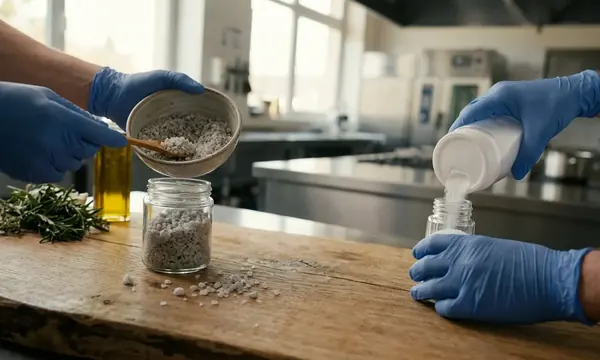
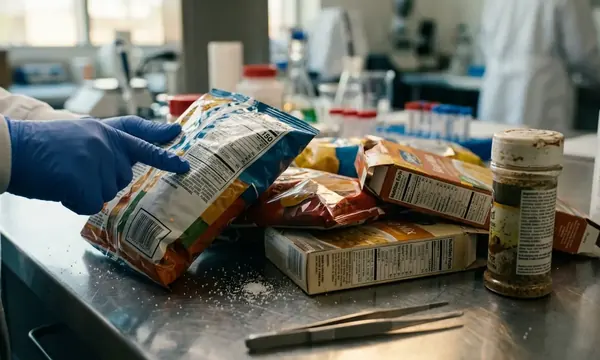
Label reading revealed nonnutritive sweeteners, sugar alcohols, gums, lecithins, and flavor systems added for texture and taste. Independent testing programs have also flagged trace heavy metals in some concentrated plant and dairy powders.
The family decided any product needing multiple modifiers to taste acceptable no longer qualified as whole-food nutrition.
The Solution: Selecting Lentil and Broccoli Seeds
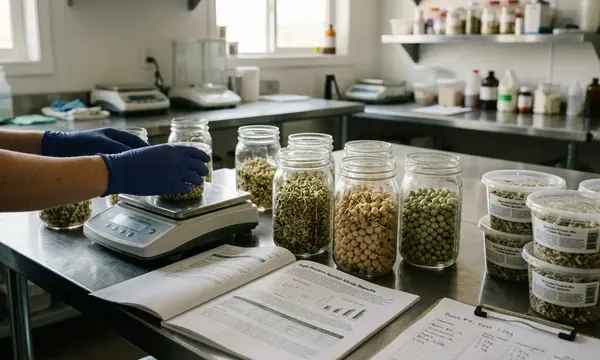
Lentils were chosen for their high protein density and reliable germination. Whole seeds, not split ones, were required so the embryo remained intact.
Broccoli seeds were added for their phytochemical profile. The two were kept separate during sprouting because broccoli seeds produce a dense mat that needs extra airflow.
Only seed labeled organic, non-irradiated, and sold specifically for edible sprouting was purchased. Agricultural seed was set aside because it can carry fungicides or coatings unsuitable for raw consumption.
Implementation: Establishing a Safe Home Germination Protocol
During protocol evaluations, wide-mouth glass jars with stainless steel mesh lids were set at a roughly thirty- to forty-five-degree angle in a dish rack. Lentils soaked about eight to twelve hours; broccoli seeds soaked about six to eight hours.
After the initial soak the jars were rinsed and drained twice each day. Room temperature stayed between roughly eighteen and twenty-two degrees Celsius with air moving around the openings.
Any batch that developed a sour smell, sliminess, or gray fuzz was discarded rather than salvaged.

The Results: Digestive Health and Sustained Energy
After the morning shake was replaced with sprout additions at breakfast or lunch, the earlier bloating pattern stopped. Meals now took about twelve to eighteen minutes to eat instead of being finished in under about five.
Lentil sprouts supplied the larger volume and fiber; broccoli sprouts were used in smaller amounts as a garnish added after any cooking step.
The Sulforaphane Multiplier Effect
Broccoli sprouts around three days old can contain up to roughly 10 to 100 times the glucoraphanin found in mature broccoli plants.