Understanding Sprouted Plant-Based Protein
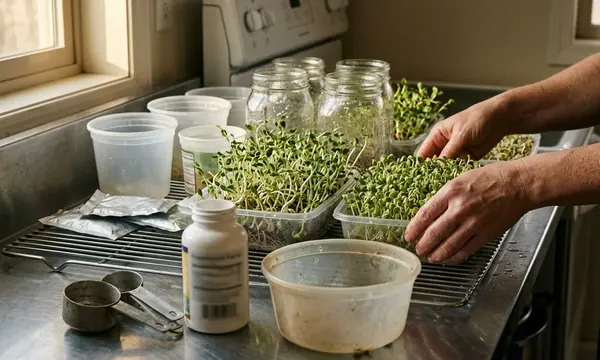
Sprouting serves as a straightforward food-preparation method that activates nutrients already present in seeds and legumes. The process turns dormant storage tissues into more usable forms without relying on processed isolates.
Germination breaks down compounds such as phytic acid during the combined soak and growth phase. germination process breaks down anti-nutrients This improves how the body accesses the protein that was already there.
Criteria for Selection
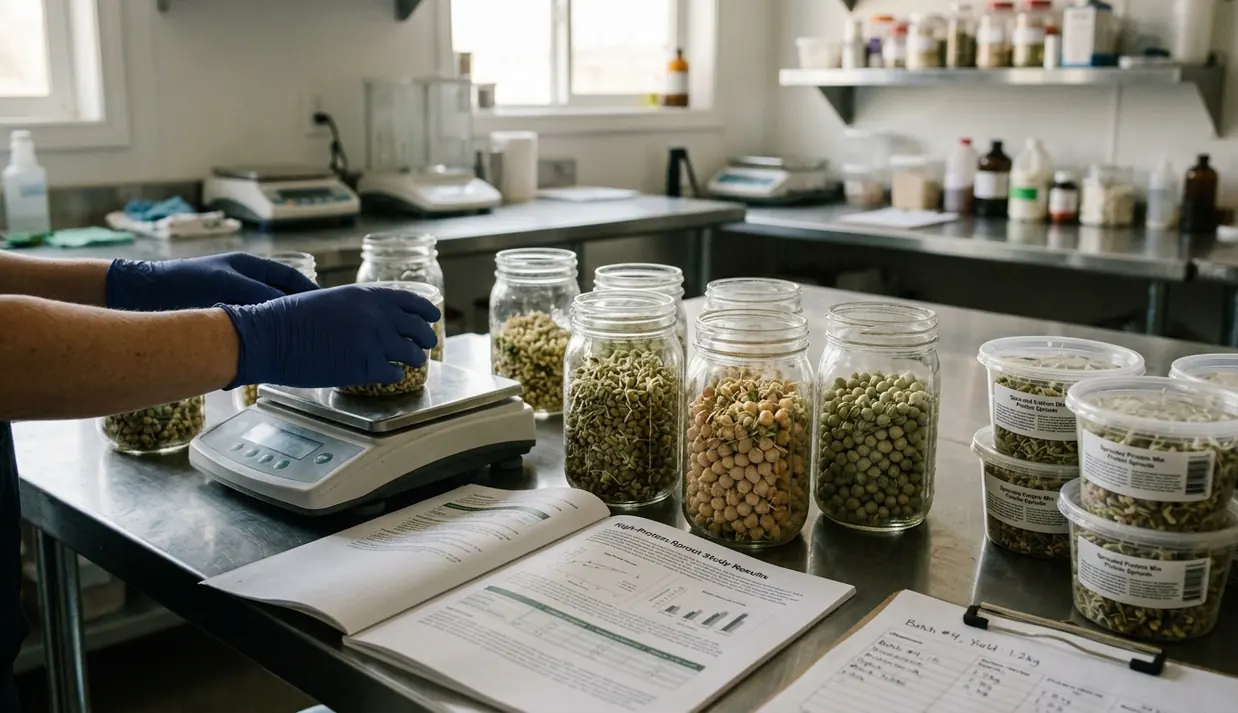
Seeds were ranked according to baseline protein levels in the dry state, completeness of their amino acid pattern, and how consistently they germinate in ordinary kitchen setups. Organic seed labeled specifically for sprouting avoids residues from field treatments.
Non-mucilaginous types suit jar methods because they rinse and drain cleanly. Mucilaginous seeds need different equipment to avoid gel formation that traps moisture.
1. Lentils: The Protein Powerhouse
Lentils stand out for reliable sprouting and solid starting protein content. Green or brown varieties soak overnight and show tails within a day or two under standard rinsing.
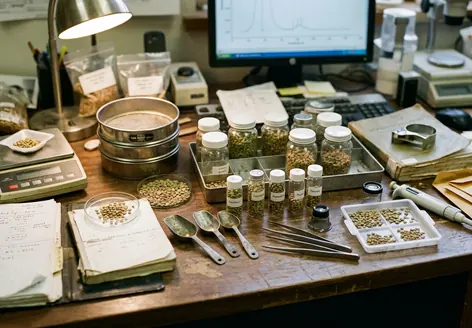
They work well chopped into salads or lightly steamed. Their small size allows even water uptake, which cuts down on uneven batches.
2. Mung Beans: The Classic Sprout
Mung beans produce mild, digestible sprouts that fit many traditional meals. They develop best when kept dark and lightly pressed during growth.
Two to four days after the initial soak gives thick stems when rinsed two or three times daily. Warm rooms speed the cycle but require careful drainage to limit spoilage.
3. Quinoa: The Complete Amino Acid Profile
Quinoa supplies all essential amino acids in one package. Short soaks of just a few hours prevent souring because the tiny seeds absorb water quickly.
Success shows as a small white radicle emerging from each seed. Gentle rinsing with a fine strainer removes saponins without damaging the sprouts.
4. Pumpkin Seeds: Dense Nutritional Yield
Raw hulled pumpkin seeds bring concentrated protein along with fats and minerals. A brief soak followed by short drainage often suffices; dramatic tail growth is not the goal.
They add staying power to meals when used as a garnish or blended into sauces. Freshness matters more here than with intact legumes.
5. Chickpeas: Substantial Plant-Based Fuel
Chickpeas deliver satisfying protein density once sprouted. Their larger size calls for longer soaking and attentive draining over two or three days.
Short nubs rather than long tails keep texture firm for raw spreads or chopped dishes. This preserves enzymes that would diminish with extended growth.
Scope and Limitations: Safely Sprouting at Home
Warm, moist conditions that favor germination can also support unwanted bacteria. Strict routines limit that risk.
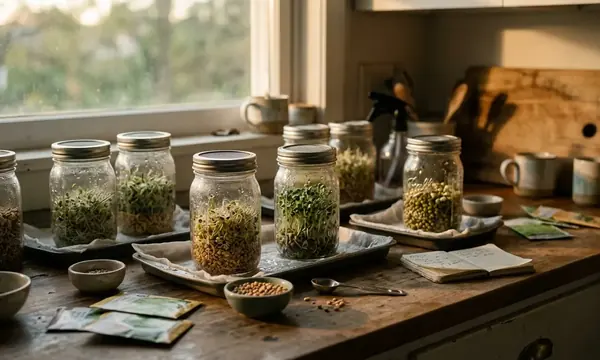
Important: Use clean jars, breathable lids, and angled drainage. Rinse two or three times daily with cool water and discard any batch that turns slimy or sour.
Pregnant women, young children, older adults, and immunocompromised individuals should cook sprouts thoroughly before eating.
Bottom Line:
Start with lentils for the shortest learning curve. Small test batches every few days keep supply fresh and manageable while you refine technique.