The Deceptive Nature of Modern Ingredient Lists
Packaged-food labels are regulated documents, but they are not written for quick interpretation. Ingredients appear in descending order by weight. A first-pass label read can take roughly 30 to 90 seconds once you know to check the ingredient panel first.
MSG is a known neurotoxin and excitotoxin that over-excites brain cells. Manufacturers often hide it behind names that sound harmless so the front of the package stays clean.
How to Identify Disguised MSG on Packaging
Start with direct terms: monosodium glutamate, MSG, glutamate, glutamic acid. Then move to process-derived names such as hydrolyzed vegetable protein, autolyzed yeast, and yeast extract. Ambiguous savory words like broth, natural flavor, and microbial enzymes deserve a second look.
Glutamic acid occurs naturally in aged Parmesan cheese at levels far higher than most fresh vegetables. The distinction matters between that natural presence and isolated or concentrated additive forms.
Even organic products can carry hidden glutamates through organic yeast extract or organic broth. Screening data shows the highest-yield items to check first are bouillon, canned soup, seasoning blends, and frozen meals.
Beyond MSG: Spotting Other Chemical Food Additives
BHT appears plainly on many cereal and snack labels. Enriched wheat flour is simply refined flour with, in standard fortification practice, four synthetic nutrients restored. Watch dough conditioners closely.
Ammonium sulfate links to mouth ulcers and kidney strain in some reports. Sodium stearoyl lactylate ties to blood-pressure shifts for sensitive people. Practitioner experience indicates these show up most often in commercial breads and baked mixes.
Why 'Organic' Doesn't Always Mean Additive-Free
Organic certification follows strict production rules yet still permits organic yeast extract and organic natural flavors. The seal addresses pesticides and farming methods, not every excitotoxin.
Groups like the Organic Consumer Association have pushed retailers toward clearer additive policies through ongoing scorecards and pledges. For beef, a standard grass-fed claim differs from USDA Process Verified grass-finished, which documents forage diet for the animal's entire life.
Practical Steps for Transitioning to a Clean Diet
Swap processed chocolate for carob powder in muffins and smoothies. Use virgin coconut oil for medium-heat sautéing and baking. These two changes remove frequent sources of refined additives at once.
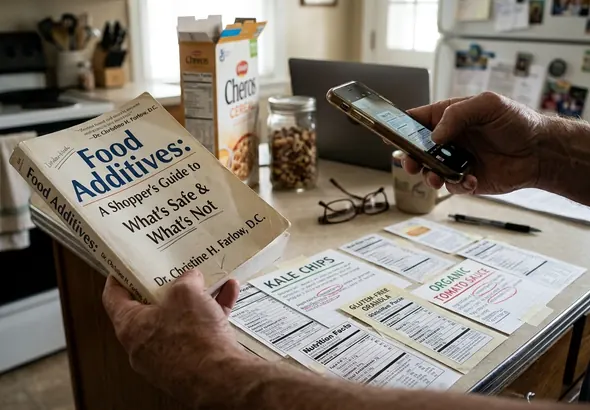
Dr. Christine H. Farlow's book Food Additives: A Shopper's Guide To What's Safe & What's Not serves as a pocket reference during store runs. A staged pantry reset over roughly six months lets most people track real shifts in how they feel.
Taking Control of Your Nutritional Health
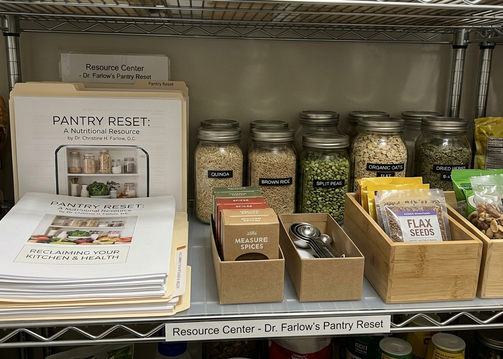
Read every label with a repeatable order: direct MSG phrases first, then hydrolyzed and yeast terms, then dough conditioners. Avoiding excitotoxins and chemical conditioners supports broader health goals.
Keep a weekly label review of about 15 minutes for the ten or so packaged foods you buy most often. Resources such as Healthy Eating: For Extremely Busy People Who Don't Have Time For It help maintain the habit when schedules stay tight.