Most chemical exposure does not arrive as a dramatic poisoning event. It arrives as a flavored drink, a nonstick pan, a scented trash bag, a bright blue snack, a deodorant that lasts all day, and an air freshener running in the hallway.
In practice, I treat detoxification as a sorting process: reduce what is coming in, support what must go out, and measure what can be measured. The 21-Day Purification Program fits that model because it is whole-food based rather than extreme. It uses vegetables, low-glycemic fruits, clean water, targeted whole-food supplements, and later lean organic protein instead of fasting theatrics or stimulant laxatives.
What's Inside
- Why systemic chemical accumulation matters
- What evidence supports the 21-day protocol
- How the Toxicity Questionnaire guides counseling
- Why Day 11 changes the diet
- When a liver-gallbladder cleanse belongs in the plan
- How to maintain results after the program
Why Is Systemic Chemical Accumulation a Growing Concern?
The concern is not that one packaged meal ruins a body. The concern is repetition over a roughly 30- to 90-day lifestyle window.
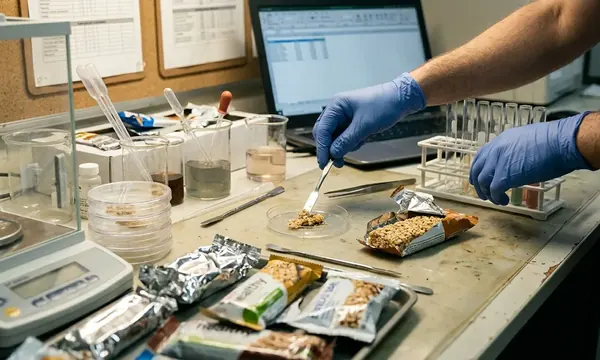
Meals, drinks, cookware contact, food packaging, cosmetics, deodorant, cleaning products, and air fresheners all add small decisions to the same biological ledger. A person may remove artificial sweeteners at breakfast but use synthetic fragrance on the skin every morning. Another may buy organic vegetables and still eat processed meats, fried foods, and colored snack foods most evenings. The pattern matters more than the single item.

Detoxification is not body reshaping
Liposuction and weight-loss surgery physically alter fat stores or digestive anatomy. Those procedures may have legitimate medical uses, but they do not teach a household how to lower daily chemical intake or how to rebuild a plate around nutrient density.
A whole-food protocol works from another direction. It changes intake, hydration, fiber exposure, elimination support, and protein timing. That distinction matters because stored body fat, blood fats, bowel regularity, liver workload, and food tolerance are not the same problem.
Bottom Line: The 21-day plan is best understood as a structured nutrition intervention, not a radical procedure and not a vague promise to “flush everything.”
What Clinical Evidence Supports the 21-Day Protocol?
The strongest way to discuss this program is through markers, not slogans.
The clinical frame is a 21-day regimen using a restricted whole-food diet, supplemental nutrition, and follow-up blood testing. A clinical report published in the Journal of Chiropractic Medicine described a purification-style dietary program that tracked blood chemistry before and after the intervention, including lipid markers. That does not make every detox claim measurable, but it does move the conversation toward blood chemistry instead of guesswork.
Why triglycerides get special attention
Triglycerides are blood fats that respond to several inputs: refined carbohydrates, alcohol intake, blood sugar handling, medication effects, thyroid status, genetics, meal timing, and liver metabolism. Because of that, they are useful but not simplistic.
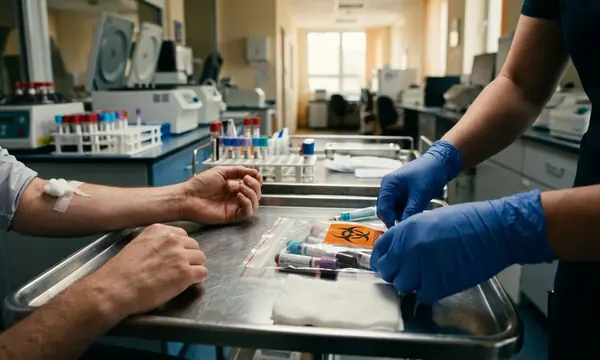
For a cleaner comparison, fasting triglycerides should be measured with a lipid panel after a 10- to 12-hour fast. Using the same laboratory whenever possible reduces method-to-method variation. The evidence is most useful when the protocol is judged by defined markers and intake changes, not by a claim that every stored compound can be individually tracked.
Who reviews the results
Christine H. Farlow, D.C., has been identified in program materials as the program administrator and nutritional consultant responsible for reviewing intake history, questionnaire results, food compliance, and laboratory changes with the participant. Her broader educational work through KISS For Health Publishing, including Dying To Look Good, sits in the same practical territory: daily products, food choices, and chemical exposure.
Practitioner experience indicates that this review step is where the plan becomes personal. Two people can complete the same 21 days and need different next steps because their triglycerides, bowel habits, skin reactions, energy patterns, and exposure histories do not match.
How Do You Assess Your Need for Detoxification?
A symptom list alone is too blunt. Headaches, fatigue, bloating, rashes, sinus irritation, constipation, and mood swings can overlap across many causes.
The Toxicity Questionnaire comes first
The Toxicity Questionnaire gives structure to the first decision. It asks the participant to use the last 30 days for symptoms and the last 90 days for exposure patterns: processed foods, artificial sweeteners, alcohol, fragrances, pesticide use, and workplace chemicals. During protocol evaluations, the review should take 20 to 35 minutes when paired with a 3-day food log and a current supplement or medication list.
The questionnaire estimates likely chemical-load patterns by clustering answers across digestion, skin, respiratory, neurological, hormonal, energy, and elimination categories. It does not diagnose disease. It organizes the conversation.
Important: Questionnaires can prioritize counseling targets, but they do not replace blood testing, liver enzymes, gallbladder imaging, or medical evaluation when symptoms suggest a defined disease process.
Turning answers into priorities
The best counseling plan is not a fifty-item punishment list. It should translate the questionnaire into 3 to 5 concrete priorities.
- Remove artificial colors from daily snacks and drinks.
- Replace fragranced deodorant or lotion with a simpler product.
- Increase fiber-rich vegetables at two meals.
- Improve bowel regularity before adding aggressive support.
- Reduce packaged snack frequency, especially at night.
A parent with multiple food-sensitive children may need a slower pantry transition than a single adult. School snacks, family meals, and household products create more exposure points, and a plan that ignores that reality tends to collapse under ordinary life.
How Are Whole Foods and Proteins Reintroduced?
The first 10 days are intentionally narrower. They emphasize vegetables, selected fruits, clean fats as allowed by the protocol, plain water, and whole-food supplements while avoiding alcohol, refined sugar, artificial sweeteners, fried foods, processed meats, and packaged snack foods.
Water is kept plain on purpose
During the 21-day cycle, water should be filtered or spring water with no sweeteners, dyes, flavors, carbonation, or stimulant additives. This sounds strict until someone notices how many “healthy” beverages are really delivery systems for flavor chemicals, caffeine, acids, dyes, or sweeteners.
Whole-food supplements are used to support nutrient intake during the restricted phase. They do not replace vegetables. They fill in targeted nutrition while the plate stays clean and repetitive enough for the body’s reactions to become easier to read.
Day 11 is a sequence point
On Day 11, lean organic protein is reintroduced rather than added randomly. Examples include poultry, wild-caught fish, eggs if tolerated, or other clinician-approved clean proteins. The timing matters because the first 10 days reduce incoming chemical burden and emphasize plant foods, hydration, and elimination support; protein then supplies amino acids needed for tissue repair, detoxification enzymes, immune proteins, and organ-system rebuilding.
Log the protein reintroduction for 3 consecutive days. Track digestion, bloating, bowel changes, energy, headaches, and skin reactions. A quiet log is useful. A reactive log is also useful because it shows where counseling should tighten.
Field Note: Day 11 is not a celebration meal. It is a controlled reintroduction with cleaner protein and careful observation.
When Is the Liver-Gallbladder Cleanse Recommended?
The Liver-Gallbladder Cleanse belongs in maintenance thinking, not as the center of the 21-day program. It is generally presented as an annual protocol considered after the 21-day program or during a planned maintenance phase.
Bile explains the rationale
The liver uses cholesterol to make bile salts. Bile then helps emulsify fats so they can be digested and absorbed. This is one reason cholesterol should not be discussed as if it were merely waste. A 1990 JAMA study on cholesterol and longevity is often cited in broader discussions as a reminder that cholesterol biology is more complex than “lower is always better.”
LDL also deserves precise language. It is a transport particle involved in lipid movement and immune defense, including binding some microbial toxins in experimental and clinical literature. That does not mean high LDL is harmless. It means lipid markers require interpretation, not fear.

When the flush is the wrong next move
Follow-up should look at fasting triglycerides, total cholesterol, LDL, HDL, bowel regularity, stool changes, right-upper-abdominal symptoms, and fat tolerance. If a flush does not improve blood-fat handling on a repeat fasting lipid panel within 21 to 45 days, the next nutritional discussion should shift toward digestive enzymes, bile-support nutrients, meal fat quality, refined carbohydrate intake, and alcohol intake.
People with known or suspected gallstones, biliary obstruction, a history of pancreatitis, pregnancy, anticoagulant therapy, severe abdominal pain, or very high triglycerides need medical evaluation before any gallbladder-style flush. This is not a place for bravado.
How Do You Maintain Results After the Program?
The after-plan matters because re-exposure can dilute the benefit of the 21 days. A clean program followed by the same sweetened drinks, colored snacks, fragranced products, and late-night packaged foods is not maintenance. It is a reset followed by a return.
A simple tracking checklist
Use this practical checklist before, during, and after the program:
- Complete the Toxicity Questionnaire using 30-day symptoms and 90-day exposure history.
- Prepare a 3-day food log before the first consultation.
- Get baseline fasting triglycerides with a 10- to 12-hour fast.
- Keep protein notes for 3 consecutive days after Day 11.
- Repeat relevant blood work with the same laboratory whenever possible.
- For the first 30 days after completion, keep a simplified food log 3 days per week.
Keep the environment moving in the same direction
Maintenance is not only food. Replace one personal-care or household item about every 7 to 14 days, starting with deodorant, fragrance, lotion, sunscreen, laundry products, or cleaners. When choosing healthy deodorant through partner vendors such as Terra Naturals, screen for products that avoid synthetic fragrance, parabens, phthalates, aluminum compounds, and unnecessary dyes.
Sunlight also deserves a measured place in the conversation. UV-B light helps convert 7-dehydrocholesterol in skin into vitamin D, but exposure must be individualized by season, latitude, skin tone, and burn risk. The point is not to chase sun at any cost. The point is to understand that cholesterol participates in hormone and vitamin physiology, not just blood-test anxiety.
A good 21-day purification plan should leave someone with fewer mystery exposures, a steadier plate, better records, and clearer questions for follow-up care. That is the real strength of the program: it makes daily choices visible enough to change.