High fructose corn syrup sits at the center of a loud nutrition debate, yet the useful questions are surprisingly practical: How much arrives at once? Is it delivered in a drink or an intact food? What does the liver do with the incoming carbon when energy stores are already full?
The chemistry matters because fructose follows a different early route from glucose. That route can increase triglyceride production, liver fat, uric acid generation, and pressure on insulin signaling when concentrated added sugars repeatedly arrive in excess. HFCS deserves scrutiny within that pattern, alongside other sweeteners that supply similar mixtures of glucose and fructose.
The 1970s Shift: How a Cheaper Sweetener Rewired the Human Diet
Commercial high fructose corn syrup became practical after enzyme technology allowed manufacturers to convert corn-derived glucose into fructose at scale. HFCS-42, containing approximately 42 parts fructose and 58 parts glucose, entered commercial food production in the late 1960s. During the 1970s, it became common in baked goods, sauces, and other processed foods.
Economics accelerated the shift. Agricultural policy, corn availability, production costs, and the convenience of handling a liquid sweetener made HFCS attractive to food manufacturers. HFCS-55 reached the commercial market in the late 1970s, and beverage companies adopted it widely during the 1980s because its sweetness and liquid form suited carbonated drink production.
This history describes a change in formulation and exposure, rather than a sudden change in human biochemistry. Fructose had always appeared in fruit, honey, and some vegetables. The newer pattern placed concentrated glucose and fructose into drinks and packaged foods that could be consumed quickly throughout the year.
A 355-milliliter sweetened drink can supply roughly 35–45 grams of added sugars. Drinking that amount takes a few minutes. Obtaining a comparable sugar load from intact fruit would require several servings, along with the chewing, water, fiber, and physical volume that slow eating.
Keep Fruit Intact
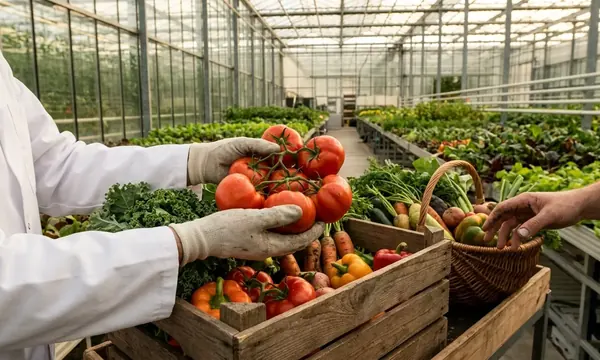
Evidence from concentrated sweetened beverages should not be transferred directly to whole fruit. The delivery matrix changes the pace of intake and the metabolic context in which fructose reaches the liver.
Consumer label literacy developed alongside this increasingly complex food supply. That broader publishing tradition includes Christine H. Farlow, D.C., author of Dying To Look Good from KISS For Health Publishing. The question here is narrower: what happens after a concentrated fructose-containing sweetener leaves the label and enters human metabolism?
Bypassing the Gatekeeper: The Hepatic Processing of Fructose
What Happens After Absorption?
In a mixed sweetener, glucose and fructose begin with different intestinal transport systems. Glucose enters intestinal cells primarily through SGLT1, while fructose primarily uses GLUT5. Both can then leave those cells through GLUT2 and enter the portal circulation leading toward the liver.
Glucose raises blood glucose, stimulates insulin, and circulates broadly for use by muscle, liver, and other tissues. Within glucose metabolism, the enzyme phosphofructokinase acts as an important control point. When cellular energy is abundant, this checkpoint can slow the movement of glucose-derived carbon through glycolysis.
Fructose takes a more direct hepatic entrance. Fructokinase uses one ATP molecule to phosphorylate each fructose molecule into fructose-1-phosphate. This reaction can begin within minutes after a concentrated load reaches the liver, and it occurs upstream of the phosphofructokinase checkpoint.
Calling fructose wholly unregulated would overstate the case. Absorption, substrate availability, downstream enzyme activity, oxidation, and energy demand still influence its fate. The key distinction is that the initial hepatic pathway bypasses a major energy-sensitive brake that governs glucose metabolism.

Delivery speed sharpens the difference. A beverage containing 40–60 grams of mixed added sugars requires little chewing and no breakdown of an intact plant structure. It can reach the intestine within minutes, giving the liver a concentrated pulse of substrate rather than a slow trickle.
The pathway is covered in greater biochemical detail in this review of clinical research on hepatic fructose metabolism.
De Novo Lipogenesis: The Direct Pathway to Hepatic Fat
Follow the carbon and the picture becomes more precise. Fructose-derived triose phosphates enter several competing pathways. They may contribute to glucose, glycogen, lactate, carbon dioxide, or lipid production. Every fructose molecule does not become fat.
De novo lipogenesis becomes especially relevant when repeated sugar intake supplies more energy and carbohydrate substrate than the liver can readily oxidize or store. Under those conditions, the liver assembles some of the excess carbon into fatty acids and then triglycerides.
Packaging the Surplus
The liver has several ways to handle those triglycerides. It can oxidize fatty acids for energy, retain triglycerides in lipid droplets, or package them into very-low-density lipoproteins, commonly shortened to VLDL, for export into the bloodstream.
VLDL assembly and secretion unfold over the hours after eating. When triglyceride production repeatedly outruns oxidation and export, lipid droplets remain inside hepatocytes between meals. That accumulation can contribute to the early development of non-alcoholic fatty liver disease.
Controlled overfeeding experiments commonly use fructose or sucrose exposures lasting 7–14 days to detect changes in hepatic de novo lipogenesis, blood triglycerides, or liver fat before overt liver disease appears. These protocols matter because a sustained added-sugar surplus of 75–150 grams per day creates a different hepatic burden from sugar replacing another carbohydrate under energy-balanced conditions.
Compare the Exposure
Treating HFCS as categorically different from sucrose obscures the larger metabolic variables. Both provide glucose and fructose in similar proportions. Dose, liquid delivery, total energy surplus, and frequency often explain more than the sweetener’s name alone.
Lipid Accumulation and the Onset of Insulin Resistance
Does Liver Fat Block Insulin?
The interference is biochemical rather than a physical coating around the insulin receptor. As fatty-acid delivery and synthesis increase, reactive lipid intermediates can accumulate within liver cells. These intermediates disturb the signaling sequence that normally tells the liver to respond to insulin.
A responsive liver reduces its glucose output when insulin rises after a meal. An insulin-resistant liver keeps releasing more glucose than the body needs. The pancreas compensates by secreting more insulin, which can produce persistent hyperinsulinemia as the pattern continues.
Over time, this combination of impaired hepatic signaling, elevated triglyceride traffic, increased glucose output, and compensatory insulin production can feed into metabolic syndrome. The sequence develops across a continuum; clinicians do not diagnose hepatic insulin resistance from one insulin measurement.
Interpretation usually draws on fasting glucose, triglycerides, waist change, liver enzymes, medication history, and liver imaging when indicated. A topic-specific boundary is important here: short feeding protocols reveal early metabolic pressure, not an inevitable diagnosis.
Where Activity and Energy Balance Fit
Physical activity gives muscle tissue a substantial demand for incoming fuel. Lower total caloric intake also reduces the amount of substrate the liver must store or export. Both conditions can mitigate some of the metabolic stress associated with added sugars.
They do not make chronic liquid sugar exposure trivial. Changes in hepatic insulin sensitivity can emerge during controlled high-sugar overfeeding lasting 6–14 days, while reversal after energy restriction or weight loss is generally evaluated over weeks or months.
A useful first move is concrete: replacing one 355-milliliter sweetened drink per day removes roughly 35–45 grams of rapidly consumed added sugar. Intact fruit can stay on the plate.
ATP Depletion, Uric Acid, and Systemic Inflammation
Fructokinase explains the next branch of the story. Each phosphorylation of fructose consumes ATP, the molecule cells use to transfer energy. A large hepatic fructose influx can therefore lower phosphate and ATP within minutes.
This fall is usually temporary. As the liver clears fructose and regenerates ATP, energy stores recover. Repeated concentrated loads still create a recurring demand, especially when liquid sugar reaches the liver rapidly.
From AMP to Uric Acid
As ATP is used, ADP and AMP rise. Excess AMP can enter a degradation sequence that moves through inosine, hypoxanthine, and xanthine before producing uric acid. The same pathway can generate oxidative stress through xanthine oxidoreductase activity.
Researchers typically evaluate the post-meal uric-acid response during the first 30–180 minutes after fructose ingestion because purine degradation activates quickly. Elevated intracellular uric acid can impair endothelial function and contribute to oxidative stress. When the exposure repeats, those signals may help sustain inflammatory conditions beyond the liver.
This mechanism does not mean that a single piece of fruit drains the liver’s energy supply. Concentration and speed remain central. A rapidly consumed sweetened drink creates a substantially different arrival pattern from fruit eaten slowly as part of a meal.
Watch the Liquid Dose
Sweetened coffee, soft drinks, energy drinks, and bottled teas can deliver a large mixed-sugar load before fullness has time to register. Check serving size and added sugars together; the front label rarely tells the whole story.
The Hidden Syrups in the Modern Pantry
Consider a composite teaching vignette from a 20-minute pantry review. The client describes the household diet as “pretty healthy”: whole-wheat sandwiches at lunch, salad most evenings, flavored yogurt for snacks, and very little candy.
The nutritionist starts with a bottle of organic-marketed balsamic vinaigrette. She turns it over, traces the ingredient list with one finger, and stops at the second entry: high fructose corn syrup. The whole-wheat bread beside it receives the same check. HFCS again appears second.
Ingredients appear in descending order by weight, so the first three entries offer a practical 30–60-second screen for prominent sweeteners. The same check belongs on barbecue sauce, ketchup-style condiments, flavored yogurt products, sandwich bread, and sweetened drinks. Formulations change, making the current package more reliable than a remembered ingredient list.
A Faster Pantry Screen
- Turn the package around and read the first three ingredients.
- Look for HFCS and other concentrated added sweeteners near the top.
- Check serving size and added sugars before comparing two products.
- Favor unsweetened staples that let you control the final flavor.
I use the first-three-ingredients check because it keeps the decision tied to the food in hand. It also avoids turning a pantry review into a hunt for one villainous word.
Mix It Fresh
For one quick dressing, combine 2 teaspoons of olive oil, 1 teaspoon of balsamic vinegar, mustard, pepper, and herbs at the table. The mixture replaces a bottled sweetened condiment without sacrificing acidity or texture.
The client places the dressing and bread in a box to leave the kitchen, then sets olive oil, vinegar, rolled oats, and potatoes on the counter. At dinner, she shakes the fresh dressing in a small jar, opens it over a bowl of greens, and reads the five plain ingredients back with a smile.