What a Stool Sample Can Reveal About the Gut Microbiome
The human gastrointestinal tract is often said to harbor roughly 100 trillion microorganisms. That familiar figure is an order-of-magnitude estimate; newer cell-count calculations place the bacterial population closer to 40 trillion in a typical adult. Either way, the practical point remains: digestion takes place within a densely populated microbial community that influences nutrient absorption, immune activity, and the compounds produced from food.
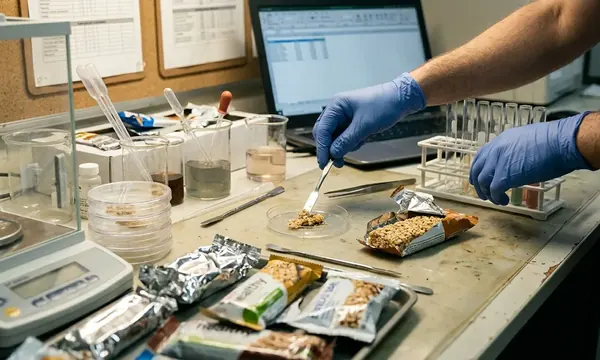
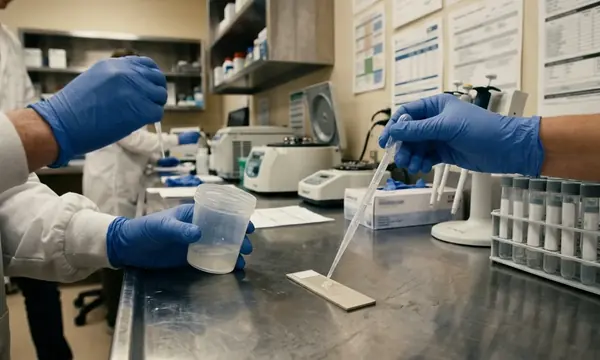
A comprehensive stool analysis, or CSA, is a non-invasive laboratory assessment that maps selected features of this community rather than testing only for basic infections. Depending on the panel, results may include microbial DNA, organisms recovered by culture, parasites seen through microscopy, antigens, digestive markers, and proteins associated with the intestinal immune response.
Those methods answer different questions. PCR detects targeted genetic material. Culture measures organisms that grow under specified testing conditions. Microscopy can reveal ova or intact parasites. A DNA quantity and a culture colony count therefore cannot be read as interchangeable measurements.
Collection Conditions Shape the Report
A kit may require one specimen or samples from two to three bowel movements collected on separate days. The laboratory also determines whether each container should be refrigerated, frozen, or placed in preservative immediately. Following those instructions precisely protects the usefulness of the result.
For nutritional planning, the report offers a biological starting point. It can help distinguish a suspected digestive-capacity problem from an inflammatory signal or an organism requiring further investigation. The broader role of the gut microbiota in health supports this measured approach, while the stool sample itself remains only one source of evidence.
Record Collection Context
Write down recent meals, stool consistency, medications, supplements, and the collection date. These details often explain an unexpected concentration more clearly than a speculative food restriction.
Read Calprotectin Before Counting Bacteria
Which result deserves attention first? Start with the host-response markers. The useful sequence is inflammation first, digestive capacity second, mucosal signaling third. Bacterial abundance becomes easier to interpret after those functions are placed in context.
Calprotectin and Intestinal Inflammation
Neutrophils release calprotectin during intestinal inflammation. Many assays consider less than 50 micrograms per gram low. An intermediate zone may run from 50 to 120 or 50 to 150 micrograms per gram, with higher values prompting clinical correlation. The age-specific interval printed by the reporting laboratory takes precedence.
A clearly elevated result can accompany inflammatory bowel disease, infection, medication effects, or another organic cause. It does not identify a particular food intolerance. Symptoms such as bleeding, fever, altered bowel frequency, and weight change determine how urgently the finding should be assessed.
Elastase and Digestive Capacity
Fecal pancreatic elastase reflects the pancreas's production of enzymes needed to digest complex proteins and fats. A value above 200 micrograms per gram generally argues against exocrine pancreatic insufficiency. Results from 100 to 200 are indeterminate or may align with mild-to-moderate insufficiency; a result below 100 supports severe insufficiency.
Specimen texture matters here. Watery diarrhea can dilute elastase and produce a falsely low value, so the number should be read alongside stool consistency.
Secretory IgA at the Gut Lining
Secretory IgA, commonly abbreviated sIgA, reflects immune signaling at the mucosal surface. It helps describe how the intestinal lining is responding to microbial and dietary exposure, including potential antigens. It cannot single out a synthetic dye or additive by itself. Reference intervals vary substantially with assay design and specimen handling, so only the processing laboratory's own range should be used.
Separate True Pathogens From Microbial Imbalance
A long organism list can look more conclusive than it is. The first task is to separate microbes with established pathogenic significance from commensals that become concerning only when unusually abundant or paired with relevant symptoms.
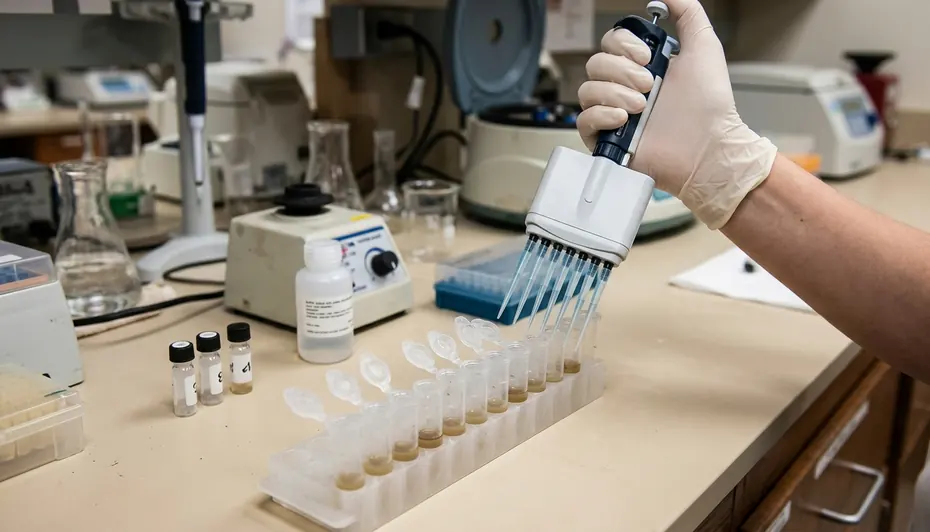
PCR panels may detect selected pathogenic bacteria, parasites, and yeasts. Microscopy searches for ova or intact parasites, while culture establishes whether recoverable organisms grow under specified testing conditions. A positive PCR can persist after viable organisms decline because nucleic acid detection does not prove that living microbes are actively causing disease.
Match the Organism to the Clinical Pattern
Malabsorption, fatigue, abdominal discomfort, loose stools, and systemic inflammation can occur alongside microbial disruption. Their presence does not establish direct causation. A useful interpretation checks whether the detected organism, its method of detection, the stool pattern, and the timing of symptoms form a coherent picture.
Diet also changes the conditions from which the sample is drawn. Highly processed eating patterns may reduce the variety of fibers available to beneficial organisms, while artificial emulsifiers and other additives can complicate an already irritated gut. Antibiotics used during the preceding four to eight weeks, proton-pump inhibitors, laxatives, bowel-transit time, and acute diarrhea can materially alter the organisms or concentrations recovered.
Snapshot, Not Identity
One collection is a time-stamped view of material shed into stool. Recent meals and medications belong beside the result because microbial concentrations fluctuate; they do not constitute a permanent lifetime diagnosis.
Turn Elevated Calprotectin and Low Bifidobacteria Into a Food Plan
Consider an adult whose report places calprotectin in the laboratory's elevated range and Bifidobacterium below that assay's reference interval. The two findings require parallel actions: investigate the inflammatory marker and run a controlled food trial aimed at supporting depleted beneficial bacteria.
A 14-Day Worked Protocol
- Record the clinical context on day one. Note bowel frequency, abdominal pain, visible blood, fever, weight change, and anti-inflammatory medication use. Arrange medical review of the elevated calprotectin so dietary experimentation does not delay assessment of intestinal inflammation.
- Begin a label audit. For 14 days, record brand-free ingredient lists, portion sizes, stool frequency, abdominal pain, visible blood, and medication use. Remove products containing artificial emulsifiers and synthetic food dyes during this period. Keep the rest of the diet reasonably stable so the record remains interpretable.
- Start the chicory trial at 2 grams. Add 2 grams of chicory-derived inulin to a familiar meal each day, then increase gradually toward 10 grams as tolerated. Pause the increase or return to the previous amount if gas or cramping rises, particularly when irritable bowel symptoms are present.
- Add raw garlic consistently. Include raw garlic daily in a meal that is easy to repeat, such as a bean salad or yogurt-based dressing. Consistency makes the food record more useful than alternating several prebiotic products at once.
- Use fermented vegetables as a separate food exposure. Begin with 2 tablespoons of sauerkraut alongside lunch and work toward one-half cup, approximately 70–75 grams. Record the product's sodium level and whether it is unpasteurized; fermented food does not provide a standardized probiotic dose.
- Review the completed record on day 14. Compare stool frequency and abdominal pain from the first three days with the final three. If the 6-gram chicory step increased cramping, for example, return to the last comfortable 4-gram serving while retaining the garlic and 2-tablespoon sauerkraut portion. The copied plan for the next week is then explicit: 4 grams of chicory-derived inulin at breakfast, raw garlic with lunch, 2 tablespoons of sauerkraut with dinner, and one daily symptom entry using the same fields.